時but slowlyFlowing
Ryukyu KingdomA Hideaway
| Address | 905-1141 1118 Genka, Nago City, Okinawa Prefecture |
| Number of Guests | Maximum capacity: 10 guests Ideal for: 6–8 people Facility Guide▶︎ |
| Parking Lot | 2 units |
| Contact Us | From the Airbnb system ▶︎ |
時but slowlyFlowing
Ryukyu KingdomA Hideaway
| Address | 905-1141 1118 Genka, Nago City, Okinawa Prefecture |
| Number of Guests | Maximum capacity: 10 guests Ideal for: 6–8 people Facility Guide▶︎ |
| Parking Lot | 2 units |
| Contact Us | From the Airbnb system ▶︎ |
Ryusai-kan is,
It's just like stepping back into the era of the Ryukyu Kingdom
It’s as if I’ve traveled back in time,
A space surrounded by colorful artworks.
In each and every one of those works,
The History and Culture of the Ryukyu Islands
It's still alive.
Entrance
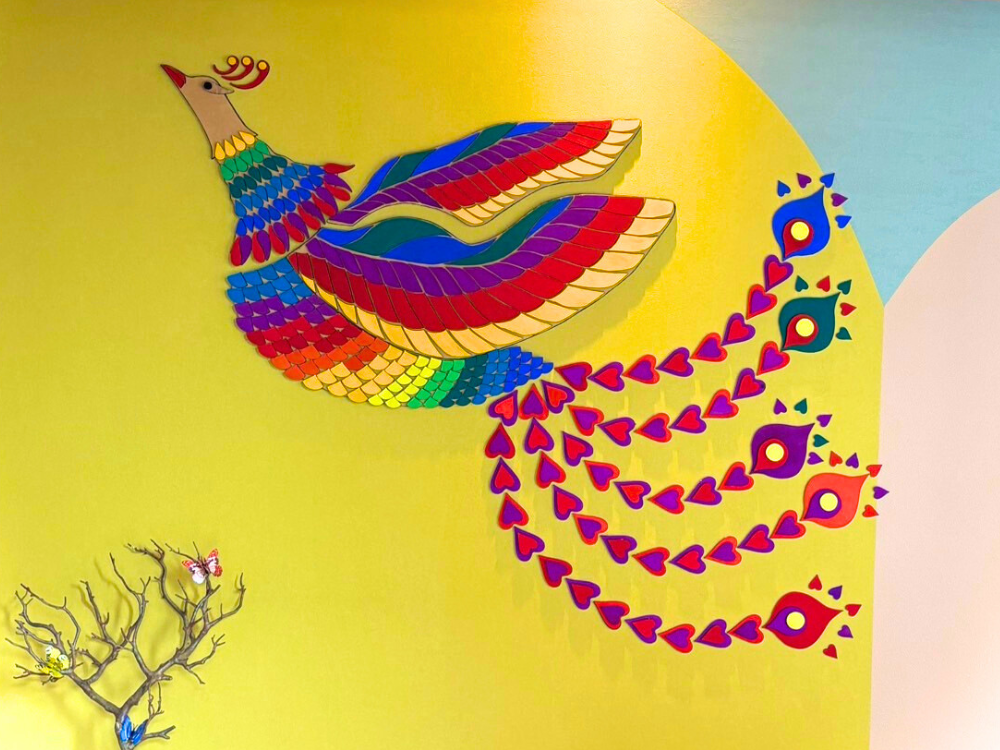
In the Ryukyu Kingdom, the phoenix was an auspicious motif that held great significance as a symbol of the protection of the king and the kingdom, as well as of peace. In particular, it was used in crafts such as Bingata dyeing and lacquerware, and also served as a symbol of the Kikoku-daikun (the highest-ranking shrine maiden).
[Yushin Phoenix】Meaning of the Word ▶︎
In the Ryukyu Kingdom, the phoenix held significant meaning as an auspicious motif, symbolizing the protection of the king and the kingdom, as well as peace. It was particularly prominent in traditional crafts such as bingata textiles and lacquerware, and also served as a symbol of the Kikoe-ōgimi, the highest-ranking priestess.
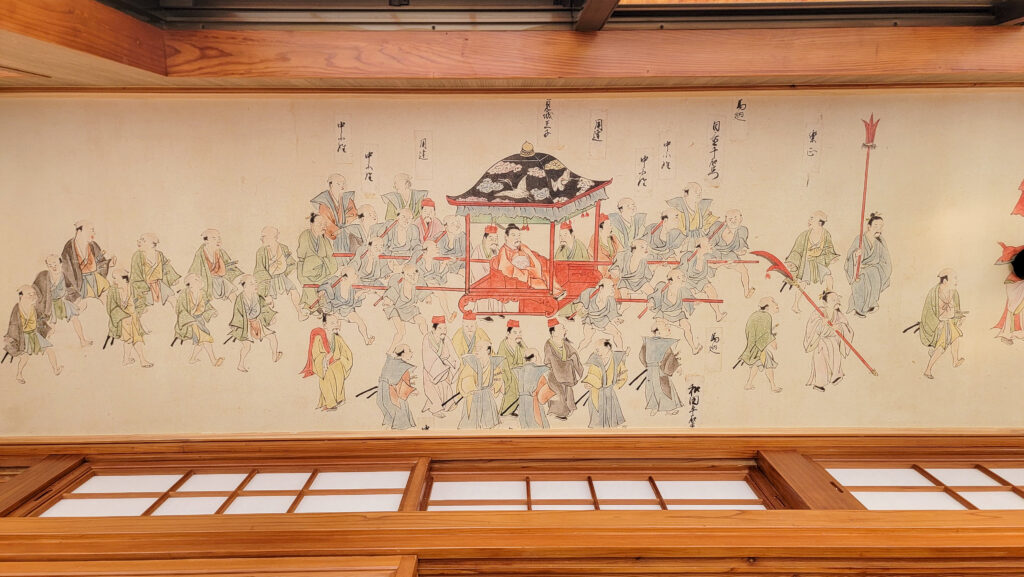
The term “Ryukyu envoys’ journey to Edo” refers to the diplomatic missions sent by the Ryukyu Kingdom to the Edo Shogunate.
When the Ryukyu Kingdom came under the rule of the Satsuma Domain, a diplomatic mission was sent to Edo to celebrate the accession of the new shogun and to express gratitude for the accession of the new King of Ryukyu.
The delegation traveled from Ryukyu to Satsuma and Nagasaki, then sailed through the Seto Inland Sea, passing through Osaka and Kyoto on their way to Edo. The round trip took about a year, covering a distance of over 2,000 km one way; it was a long, arduous journey by ship and on foot, and some people died along the way.
The Ryukyu Envoys to Edo (known as “Edo-nobori”) were diplomatic missions sent from the Ryukyu Kingdom to the Edo Shogunate.
After coming under the control of the Satsuma Domain, the Ryukyu Kingdom sent envoys to Edo to offer congratulations on the accession of a new shogun and to express gratitude for the recognition of a new Ryukyu king.
The envoys traveled from Ryukyu through Satsuma and Nagasaki, then sailed across the Seto Inland Sea, passing through Osaka and Kyoto on their way to Edo. The round-trip journey, which took nearly a year, covered over 2,000 kilometers one way, mostly by ship and on foot. Some members of the delegation even lost their lives along the way due to the hardships of the journey.
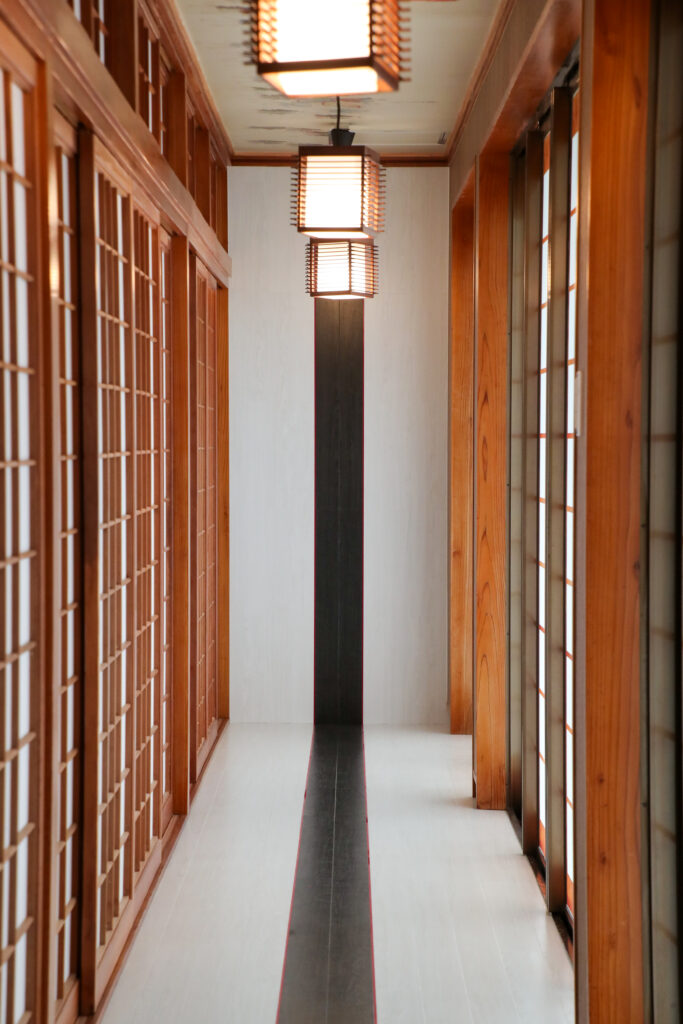
The hallway floor features white, black, and red flooring materials that extend all the way up the walls, making the space appear longer than it actually is. As we reflect on the delegation’s long, long journey...
【Rainbow Sky Road】Meaning of the Word ▶︎
The floor features white, black, and red materials that extend seamlessly up the walls, creating a visual effect that makes the space feel longer than it actually is—evoking the long, arduous journey of the Ryukyuan envoys.
Kashikaki Room
【Beniori Mai-za】Meaning of the Word ▶︎
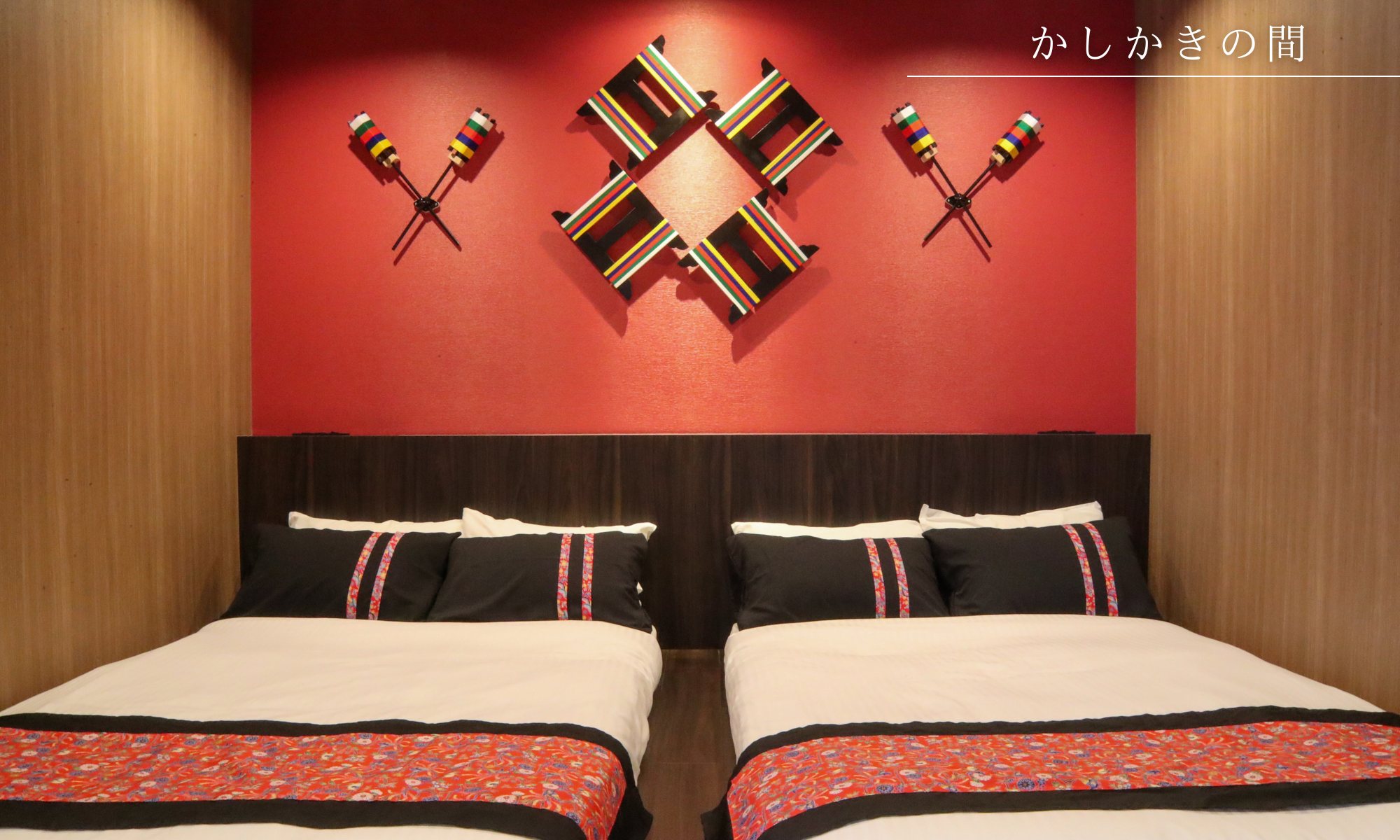
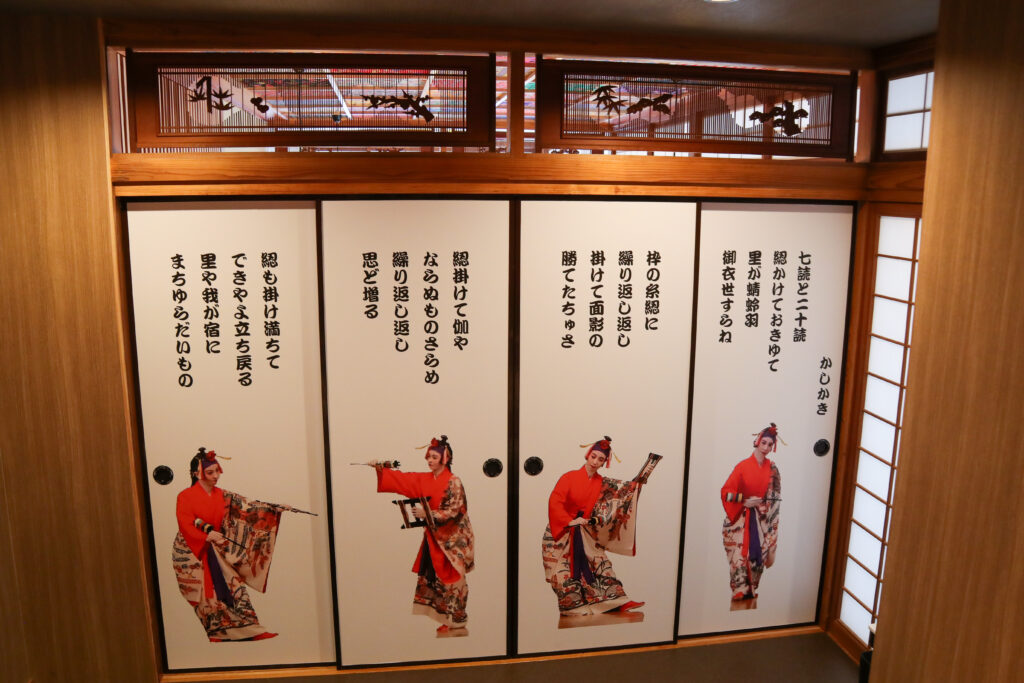
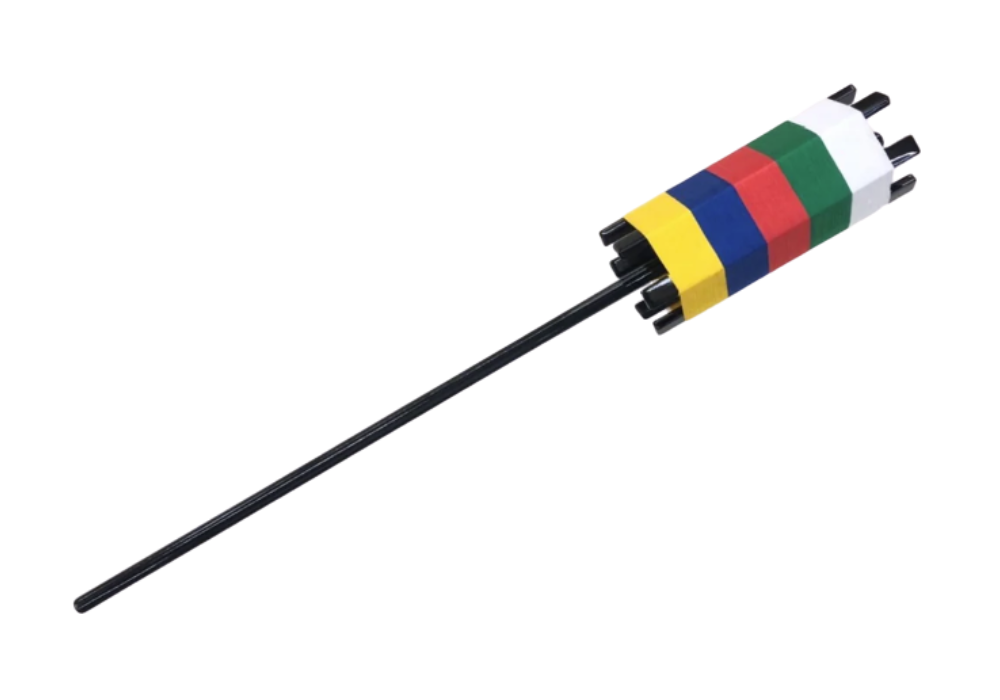
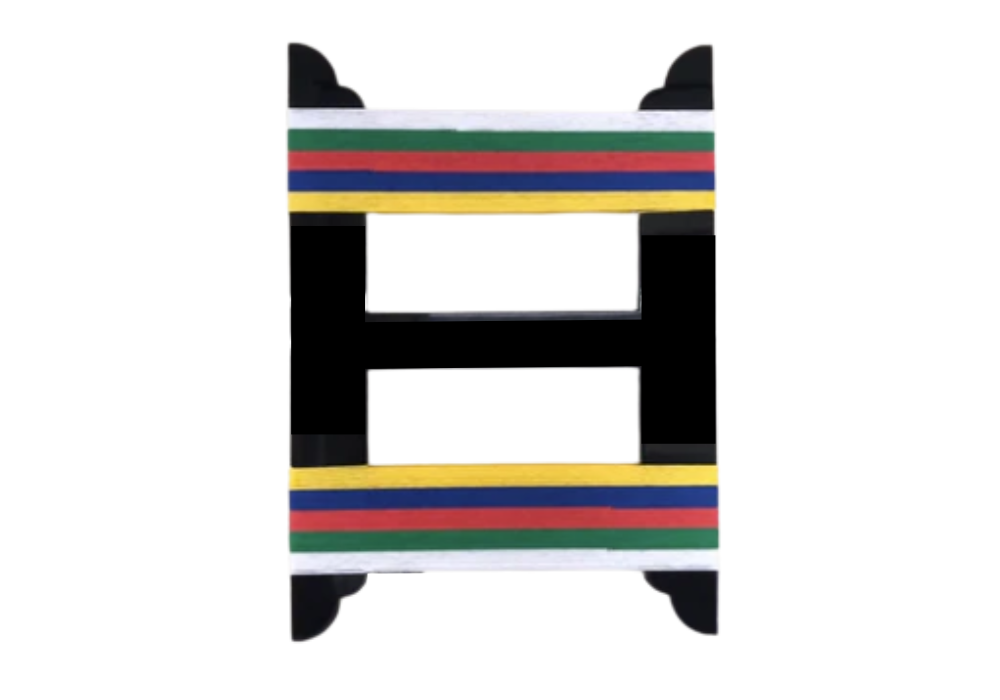
"Kasekake" is a piece of classical Ryukyuan dance that expresses a woman’s desire to weave fine cloth for her beloved. The dance uses props called "kase" and "hiki" to convey the feelings of a young woman longing for her beloved.
In the Okinawan dialect, it is pronounced “kashikaki,” not “kasekake.”
*Classical Ryukyuan dance refers to the court performing arts presented at banquets held during the Ryukyuan Dynasty to entertain the Ryukyuan kings and Chinese investiture envoys.
“Kasekake” (Yarn-hanging) is the name of a traditional Ryukyuan classical dance. It expresses the heartfelt emotions of a woman who wishes to weave fine cloth for her beloved. In the performance, dancers use two props—the kase (a skein winder) and a waku (a frame)—to depict the tender feelings of a young woman in love.
In the Okinawan dialect, it is more accurately pronounced “Kashikaki” rather than “Kasekake.”
Note: Ryukyuan classical dance refers to the court performing arts developed during the Ryukyu Kingdom era. These dances were performed at royal banquets to welcome the king or Chinese envoys.
Bingata Room
【Bingata Hana-ten】Meaning of the Word ▶︎
Ryukyu Bingata is a traditional dyeing technique unique to Okinawa, characterized by vivid colors, bold color combinations, and powerful designs inspired by nature.
The “beni” in “Bingata” does not refer solely to the color red but to color in general, while “gata” refers to patterns. During the era of the Ryukyu Kingdom, this art form developed under the influence of various dyeing and weaving techniques and designs introduced through trade with China and Southeast Asia, and it was favored as attire for the royal family and the samurai class.
Ryukyu Bingata patterns come in a variety of types, depending on social class and intended use—such as those for royalty and nobility, high-ranking samurai, samurai, and commoners.
Ryukyu Bingata is a traditional dyeing technique unique to Okinawa, known for its vivid colors, bold contrasts, and striking designs often inspired by nature.
The word “bingata” comes from “bin” (which represents color, not just red) and “gata” (meaning pattern). This art form developed during the Ryukyu Kingdom era, influenced by dyeing and weaving techniques from China and Southeast Asia that were introduced through trade. Over time, it became a prized textile used in the clothing of royalty and the warrior class.
Bingata patterns varied according to social class and purpose, with distinct styles for royalty, high-ranking officials, members of the samurai class, and commoners.
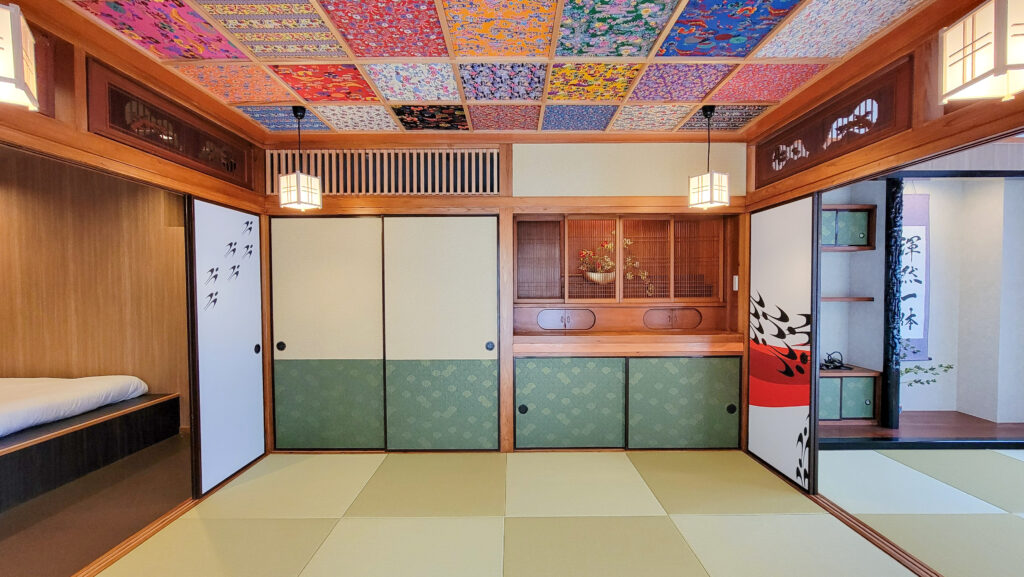
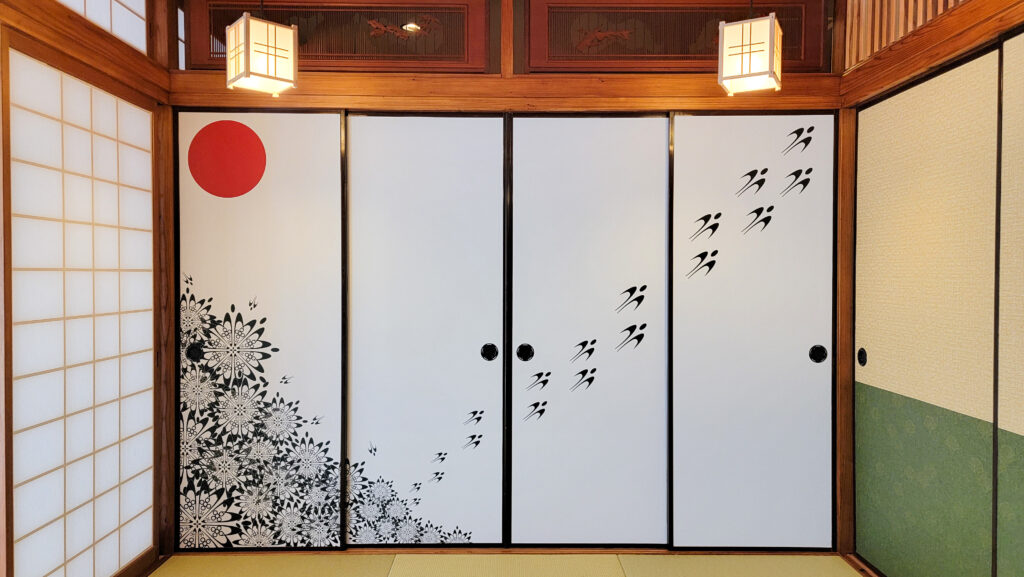
Ryukyu kasuri is a type of silk fabric, and its most distinctive feature is its diverse range of patterns, numbering approximately 600. The patterns are based on motifs from everyday life, such as household items and plants.
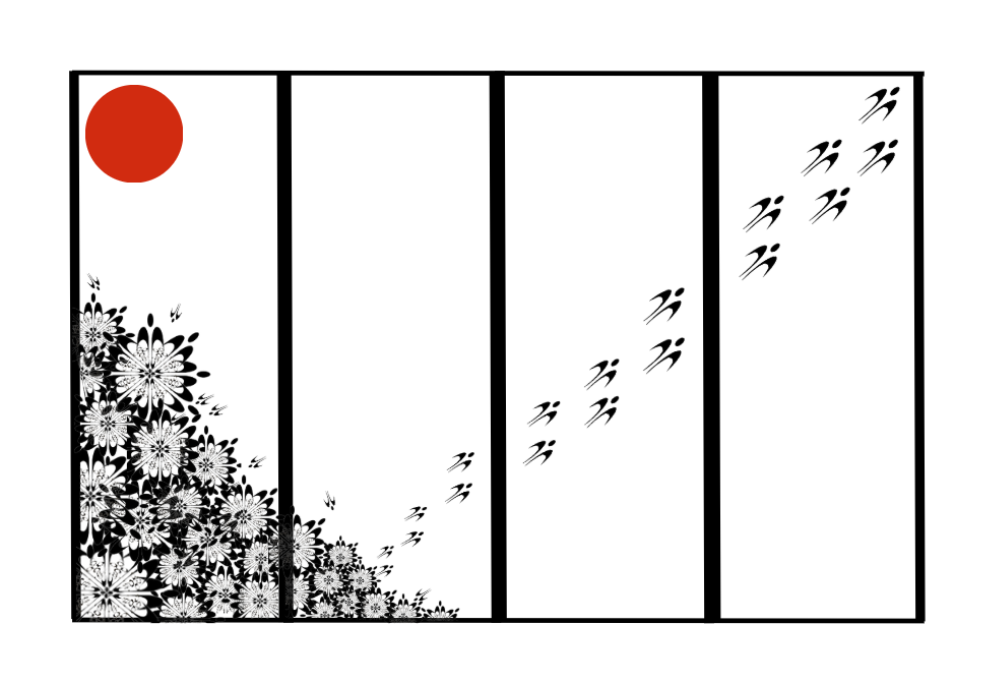
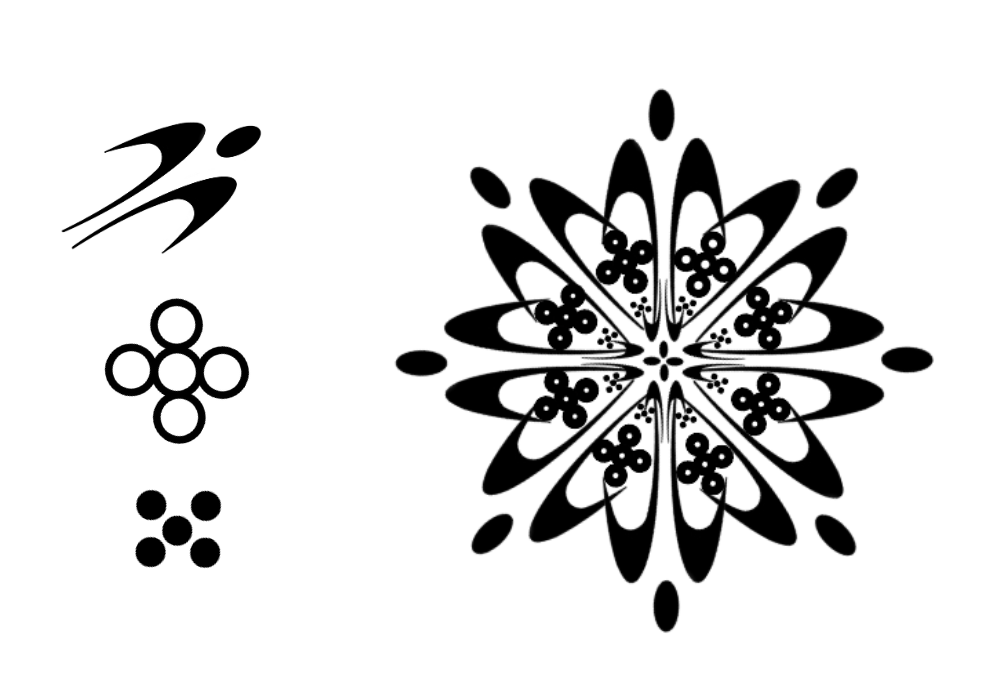
The sliding doors at Ryusai-kan also feature floral designs that combine the traditional kasuri patterns of “birds” and “five-circle clouds.”
Ryukyu Kasuri is a type of silk textile characterized by its diverse patterns—over 600 different designs. These patterns are inspired by familiar everyday objects, plants, and elements from daily life.
At Ryusaikan, the sliding doors (fusuma) feature a floral design that combines traditional kasuri motifs such as birds and the five-circle cloud (Five Round Clouds), showcasing the beauty of Ryukyuan craftsmanship.
Deigo's Room
【Ryukei Saifu】Meaning of the Word ▶︎
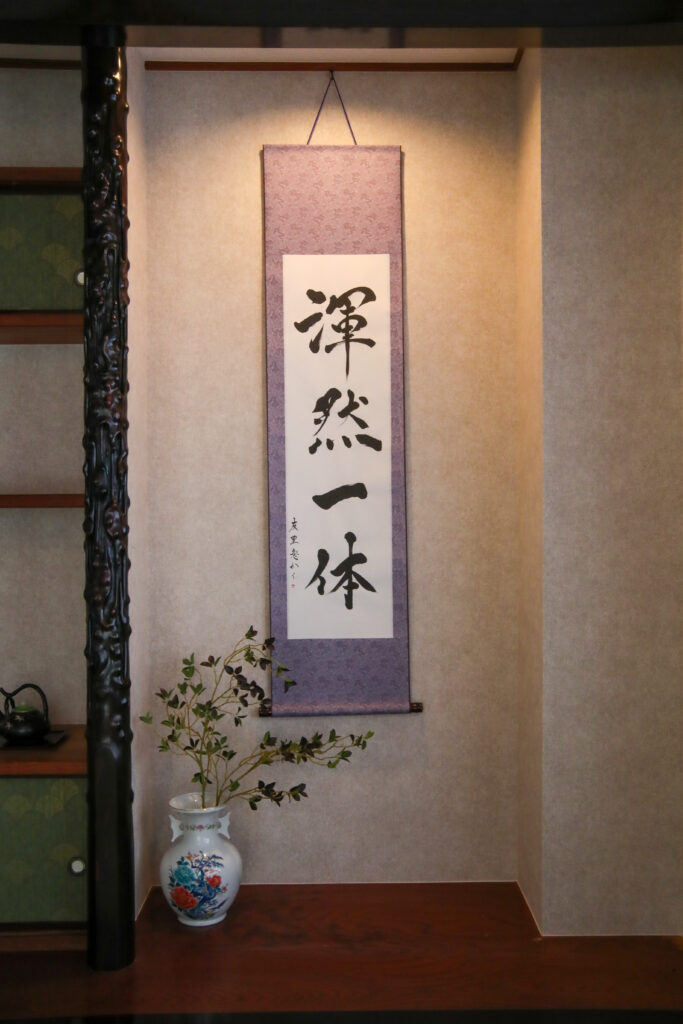
"Konzen Ittai" refers to the blending of separate things into a single entity.
Okinawa has incorporated cultural elements from various countries—including Indonesia, China, Japan, and the United States—to develop its own unique culture.
I chose this phrase because I thought it perfectly captured Okinawan culture. It’s also the perfect phrase for the Ryusai-kan, which was created through the collaborative efforts of project members from both inside and outside the prefecture.
“Konzen Ittai” is a Japanese expression that means “distinct elements blending seamlessly into a unified whole.”
Okinawa has developed its own unique culture by absorbing influences from various countries, including Indonesia, China, Japan, and the United States.
I chose this phrase because it perfectly captures the essence of Okinawan culture.
It also beautifully reflects the spirit of Ryusaikan, a place brought to life through the collaboration of project members from both within and outside the prefecture.
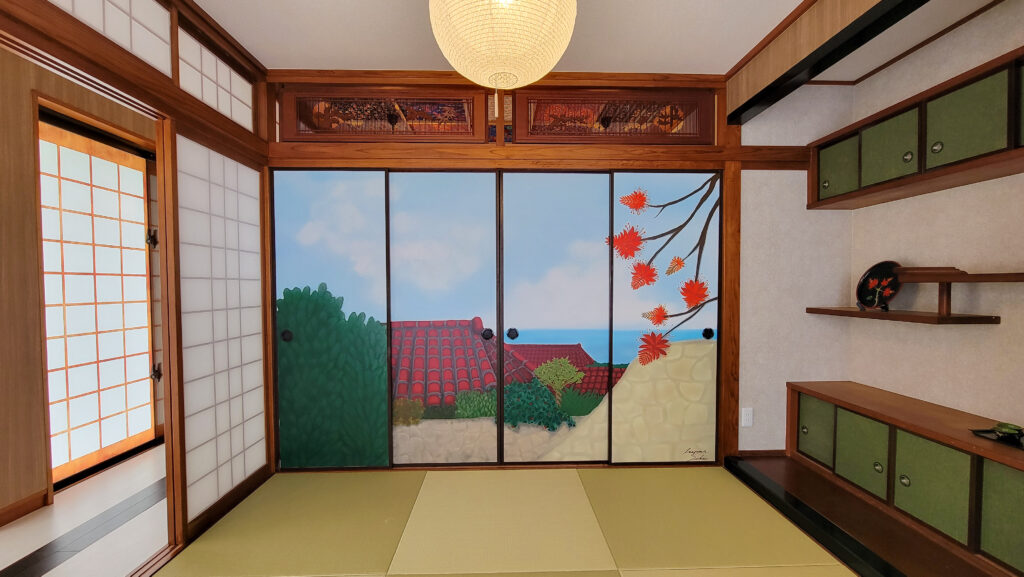
The sliding doors feature a landscape painting of Okinawa. They depict the large fukugi trees surrounding the estate, the blue sea visible through the gaps between the rows of red-tiled roofs, and the red of the deigo flowers standing out against the clear blue sky. We have captured this nostalgic Okinawan scene, printed it, and crafted it into these sliding doors.
The fusuma (sliding doors) feature a landscape painting of Okinawa.
They depict nostalgic scenes such as large fukugi trees surrounding a traditional home, glimpses of the blue sea through rows of red-tiled roofs, and the vivid red deigo blossoms trees standing out against the clear, refreshing sky.
These beloved Okinawan landscapes were captured in an original painting, which was then printed and made into the fusuma.
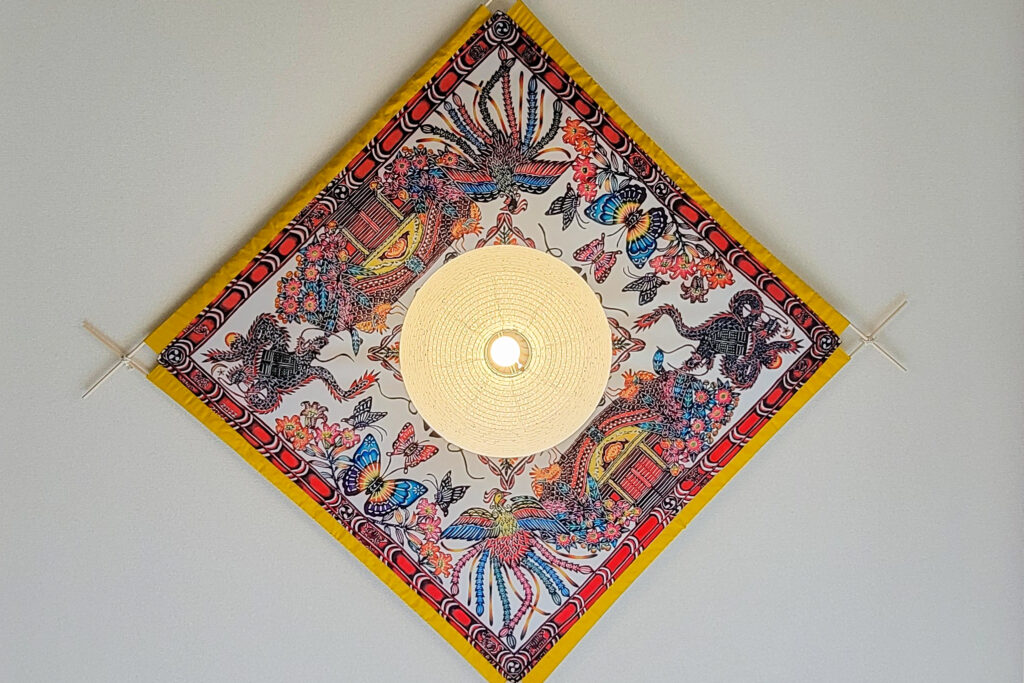
A furoshiki designed by Okinawan fashion designer YoKang. It features motifs symbolic of Okinawa, such as Shuri Castle, dragons, phoenixes, deigo flowers, and red roof tiles.
This furoshiki (wrapping cloth) was designed by an Okinawan fashion designer YoKang.
It features iconic Okinawan motifs such as Shurijo Castle, dragons, phoenixes, Deigo Flowers, and red-tiled roofs, beautifully woven together in a vibrant and symbolic design.
Oukan Room
【Jade Crown, Jade Tower】Meaning of the Word ▶︎
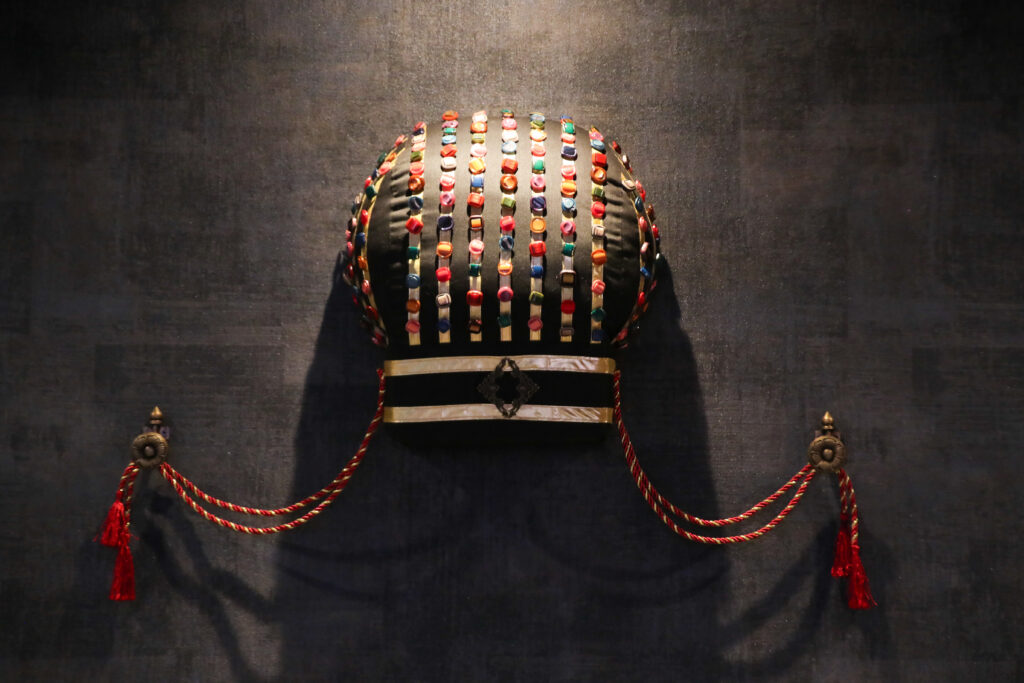
The crown is adorned with seven types of decorative beads—including gold, silver, and coral—to symbolize the king’s authority. After it was donated, a “dragon” motif—symbolizing the throne—was engraved onto the gold hairpin, making it a unique Ryukyuan creation that attests to the high level of craftsmanship among the artisans of that era.
*The crown on the wall of Ryusai-kan features buttons of various sizes and designs, creating a cute and approachable design.
The royal crown was adorned with seven types of decorative beads made of gold, silver, coral, and other materials to symbolize the king’s authority. After it was presented, a gold hairpin was engraved with a dragon motif, representing royal power—an original Ryukyuan design that showcases the exceptional craftsmanship of the time.
*The crown displayed on the wall at Ryusaikan is a charming reinterpretation, designed to feel more approachable by incorporating buttons of various sizes and styles, creating a playful and friendly impression.
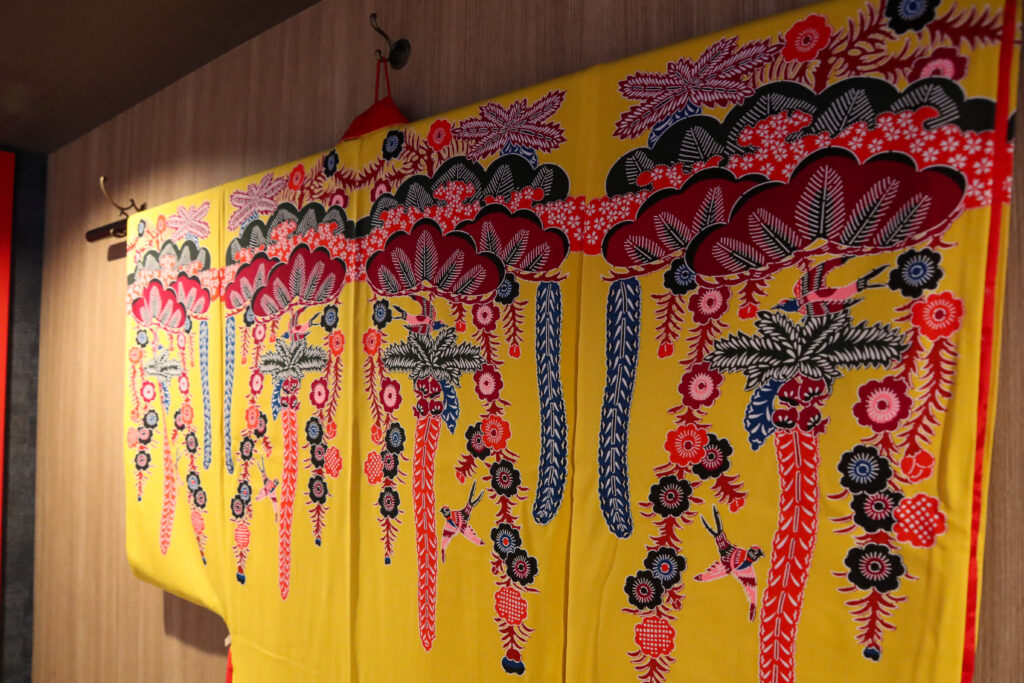
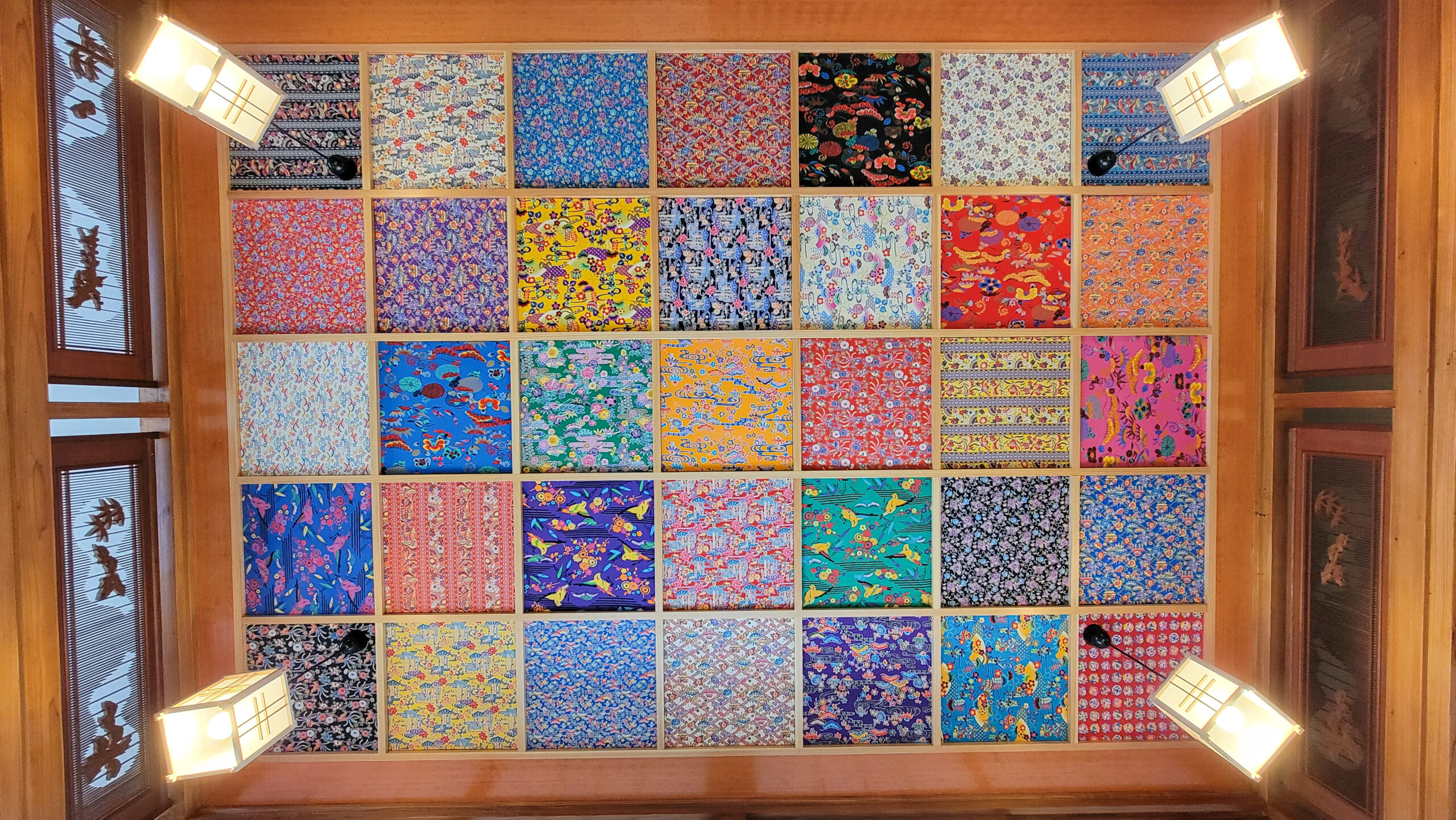
These elegant yellow Bingata garments were reserved exclusively for the royal family. The exhibition also features vibrant Bingata garments that symbolize the Ryukyu Islands. These are the formal garments worn by young members of the royal family.
On display is a formal Yellow Bingata robe, a prestigious color that was reserved exclusively for the royal family.
This vibrant garment, symbolic of the Ryukyu Kingdom, was worn by young members of the royal family as part of their official attire.
Ryukyu Pavilions
【Ryūgū Kōden】Meaning of the Word ▶︎
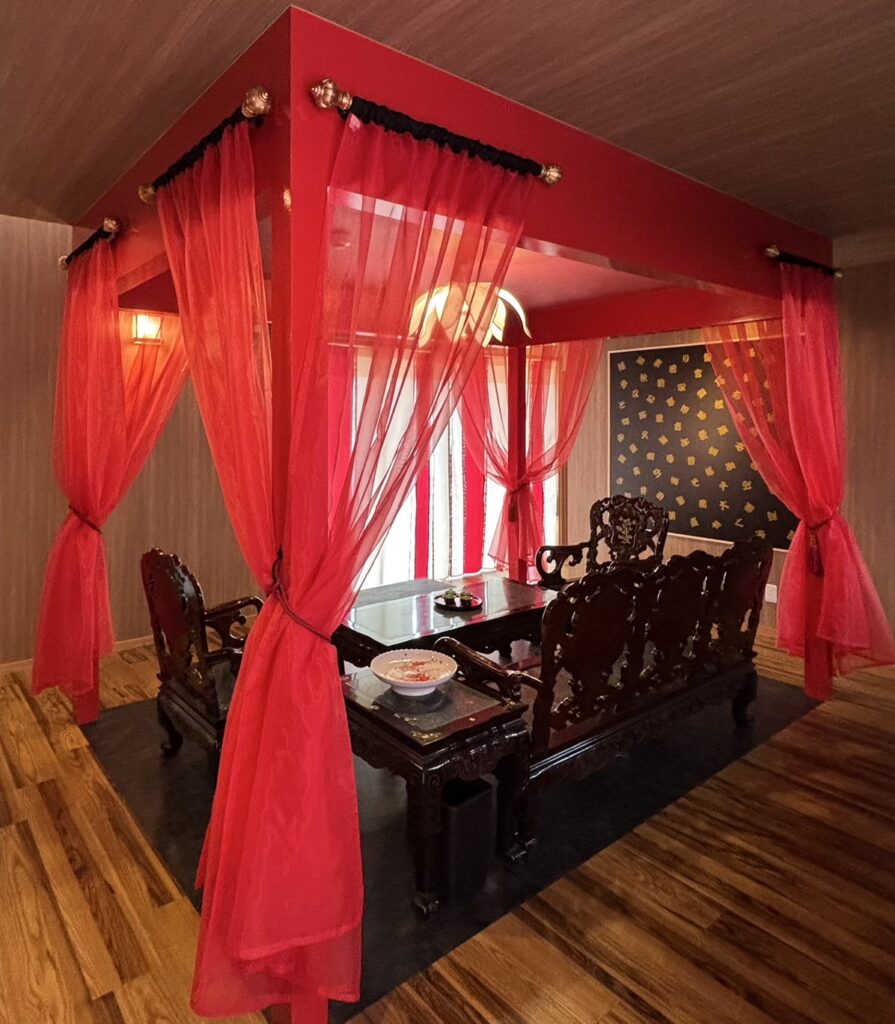
Wanting to create a dining area with a strong Chinese influence, like Shuri Castle, I built a deep-red pavilion and furnished it with Chinese furniture featuring marble tabletops and seats.
In addition, adding a canopy in the same deep red creates a cozy, enclosed space that instills a sense of security.
Inspired by the rich Chinese influence of Shurijo Castle, we created a dining space in a deep crimson pavilion as its focal point.
Chinese-style furniture featuring marble tabletops and seats was placed inside, enhancing the elegant atmosphere.
A matching crimson canopy was added above, creating a sense of intimacy and comfort—an enclosed space that feels both regal and welcoming.
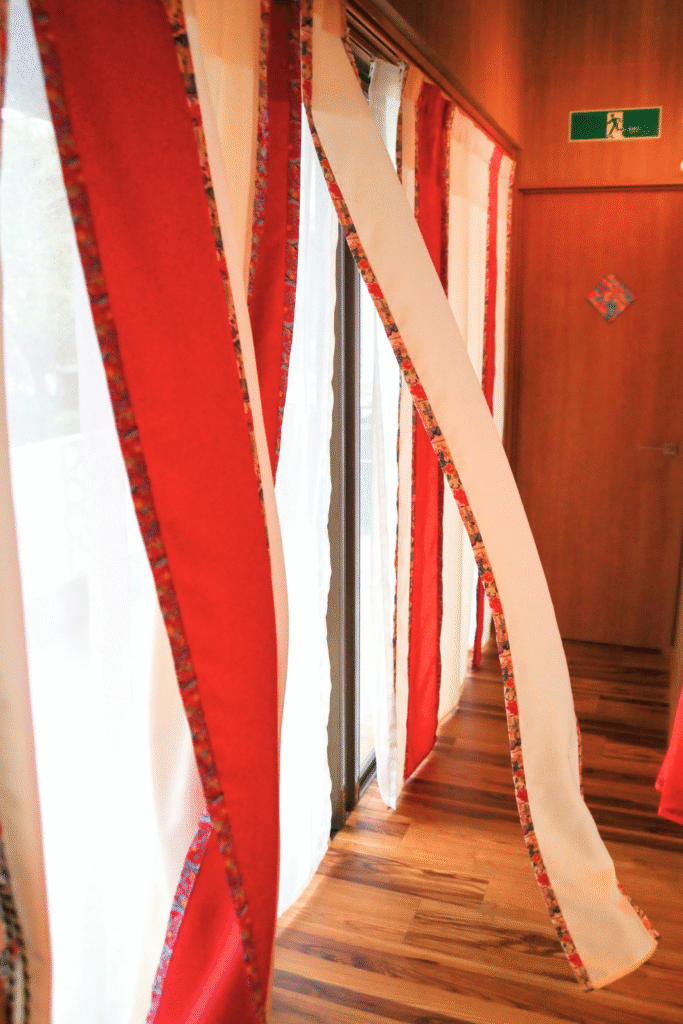
A "kichō" is a traditional Japanese piece of furniture that was used for various purposes, such as room dividers, privacy screens, and windbreaks.
These curtains were crafted in the "kichō" style. Since the top sections are connected, they can be opened and closed just like regular curtains. Each panel features Bingata-style piping, incorporating an Okinawan touch. By varying the width of the red and white fabric panels, they create a sense of rhythm that sets them apart from traditional red-and-white hanging banners.
“Kicho” is a traditional Japanese folding screen, historically used as a room divider, privacy screen, or windbreak.
This curtain was designed in the style of a kicho. The upper part is connected, allowing it to open and close like a modern curtain.
Each panel is accented with Bingata piping, adding a distinctly Okinawan touch.
By intentionally varying the width of the red and white fabric panels, the design creates a rhythmic visual flow that sets it apart from conventional red-and-white ceremonial drapes.
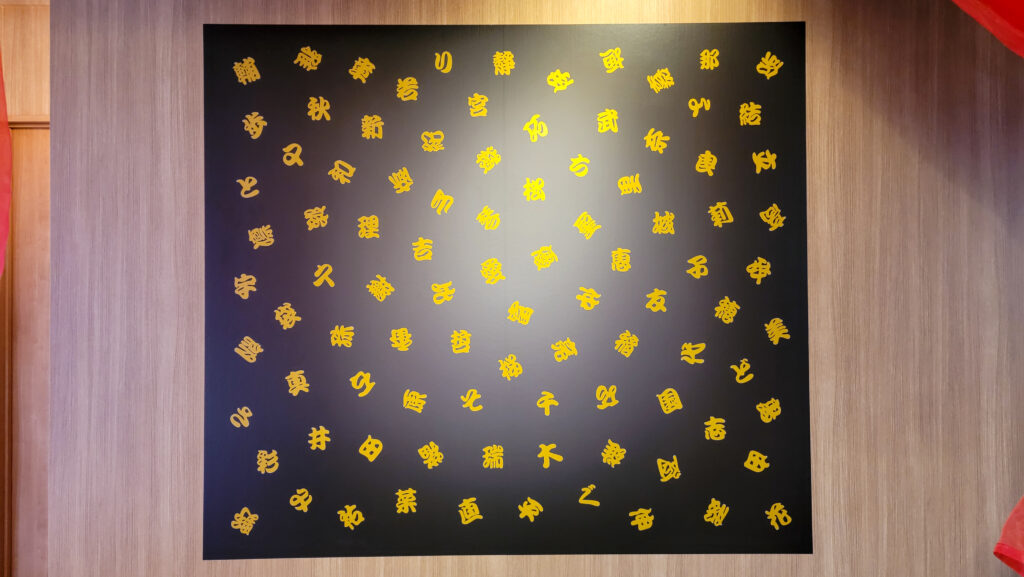
A wall decoration featuring the names of the members of the “Old Folk House Revitalization Project”—which led to the creation of Ryusai-kan—and the site supervisor, scattered one by one across the surface.
This wall decoration features the names of the members and site supervisors involved in the creation of Ryusaikan, born from the Traditional House Restoration Project.
Each first and last name has been separated and scattered throughout the design, symbolizing the many hands and hearts that came together to bring this space to life.
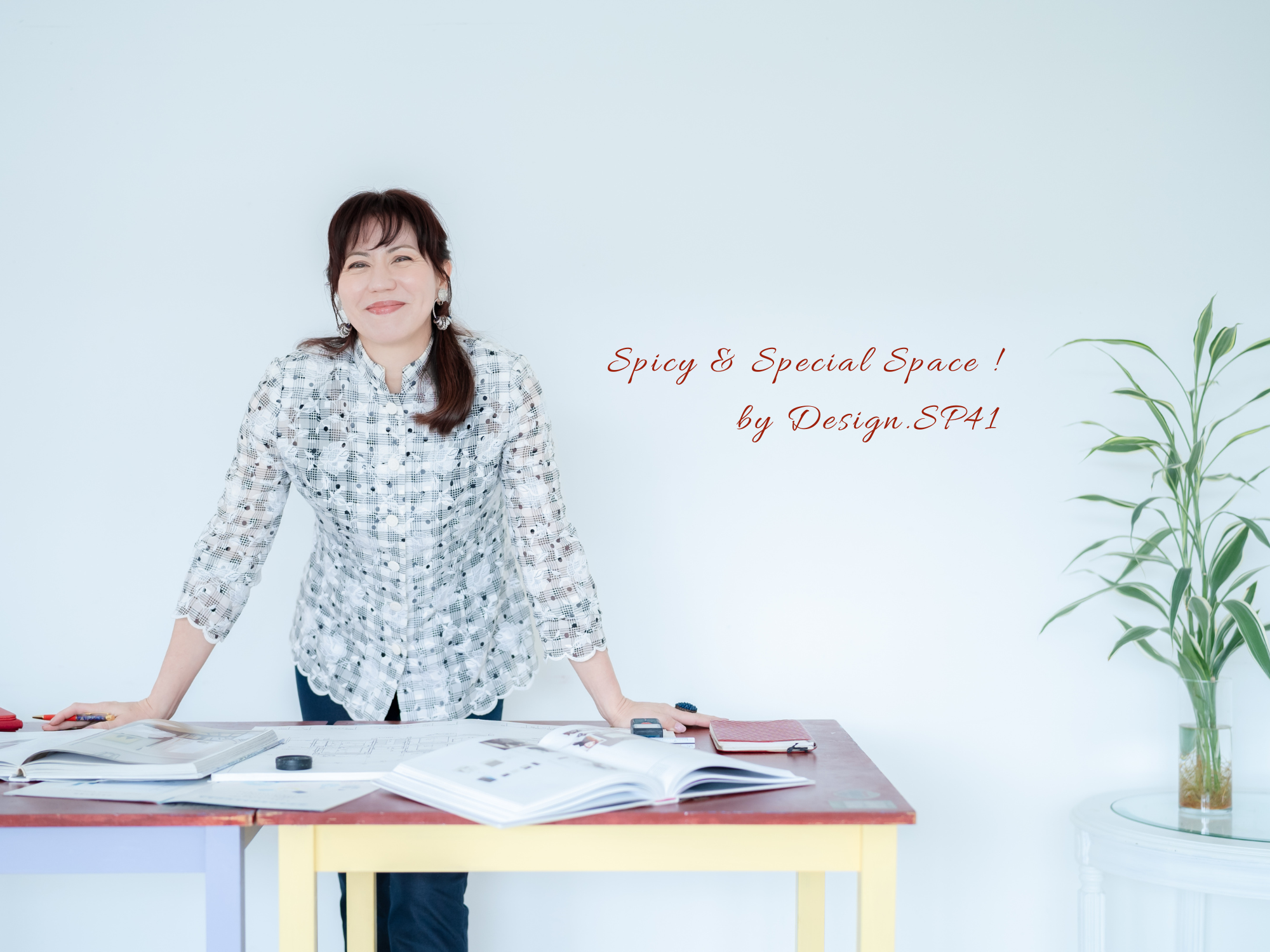
from Interior Designer
Seiko Inayama, Representative, Design SP41
 Japanese Japanese
  English
 Chinese (Taiwan)
 Korean
 Chinese (China)
 Spanish
 French
 German
 Italian